New Paintings / 2020
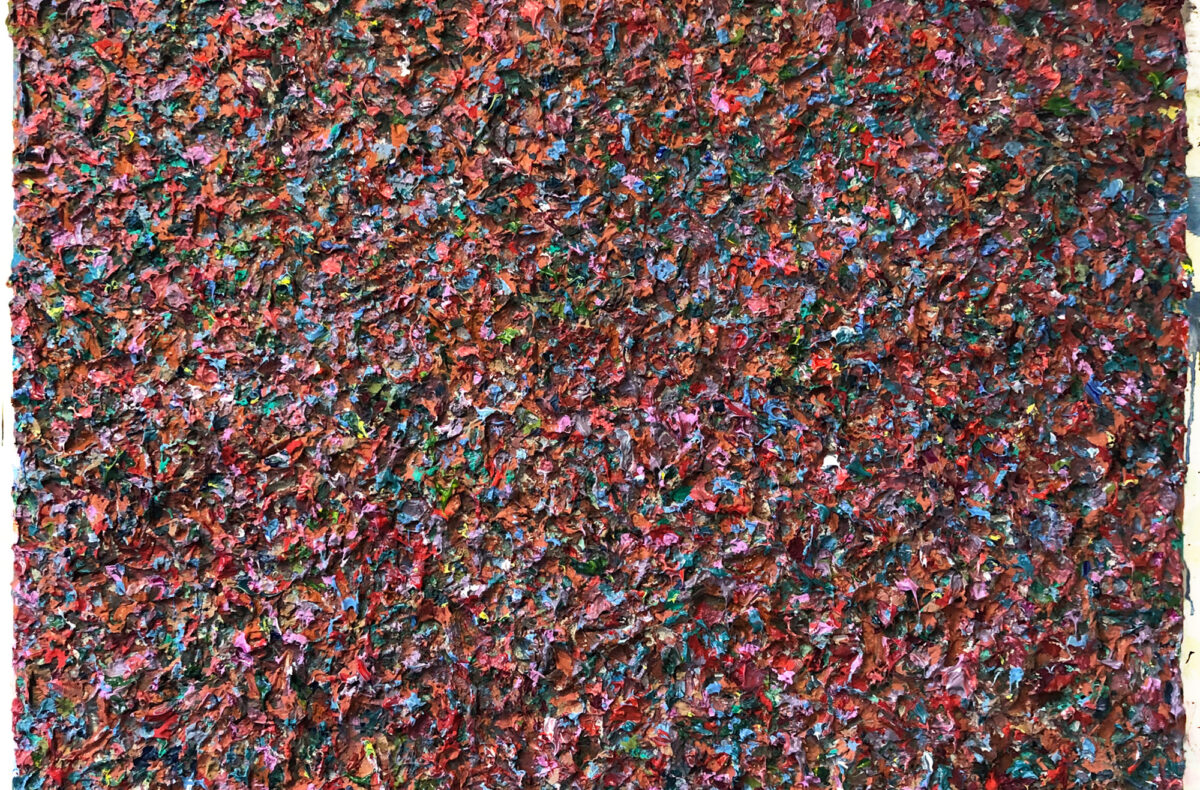
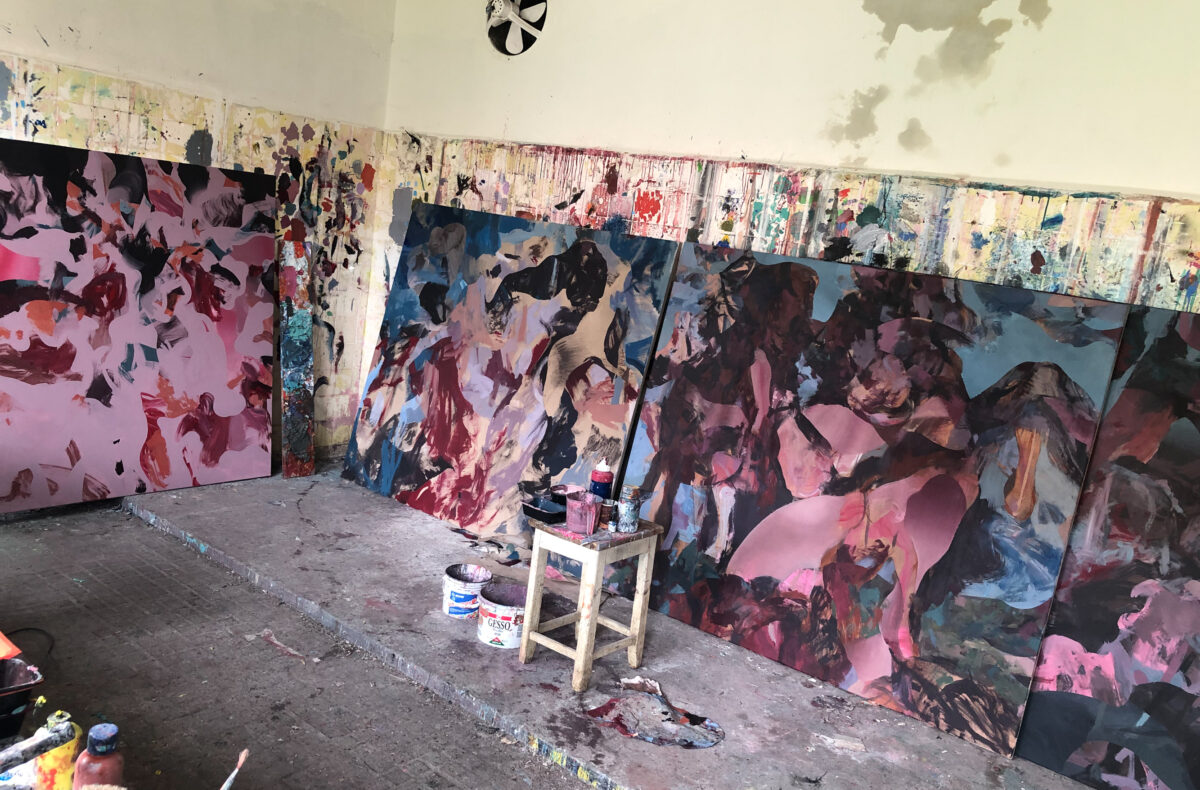
Summer 2020 paintings
Summer 2020 paintings
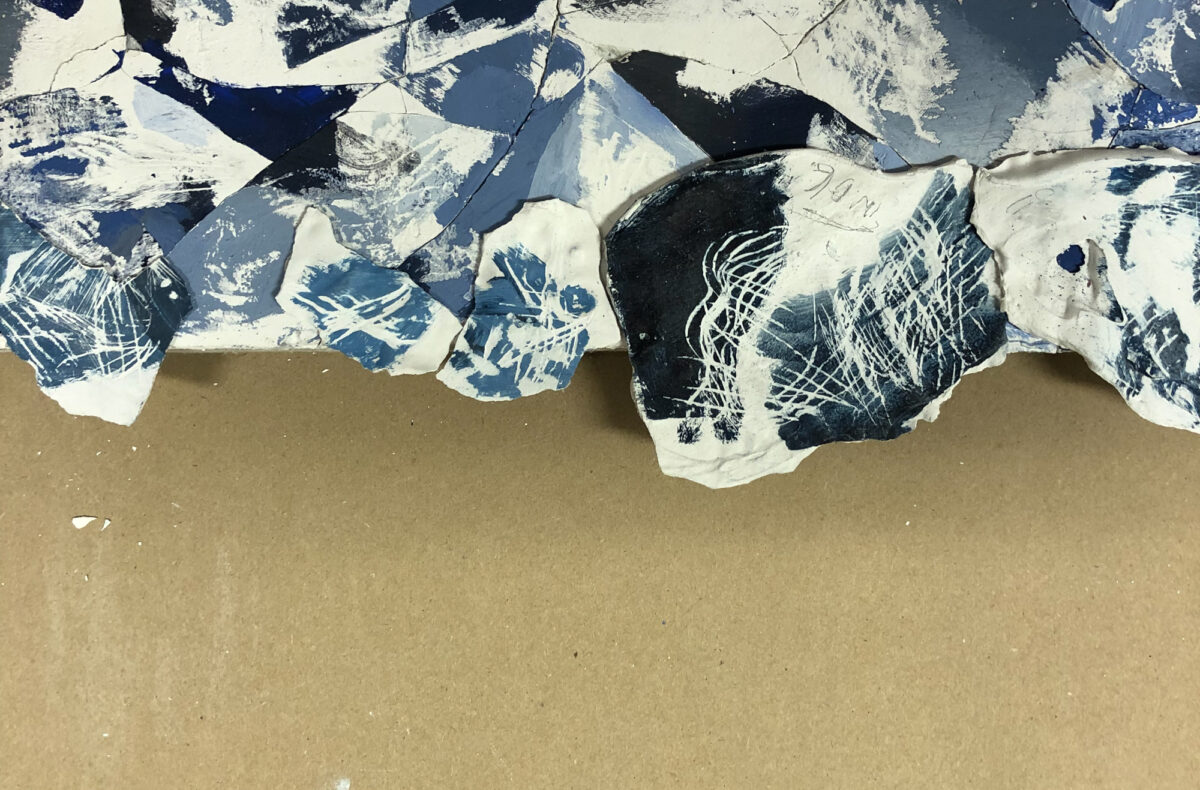
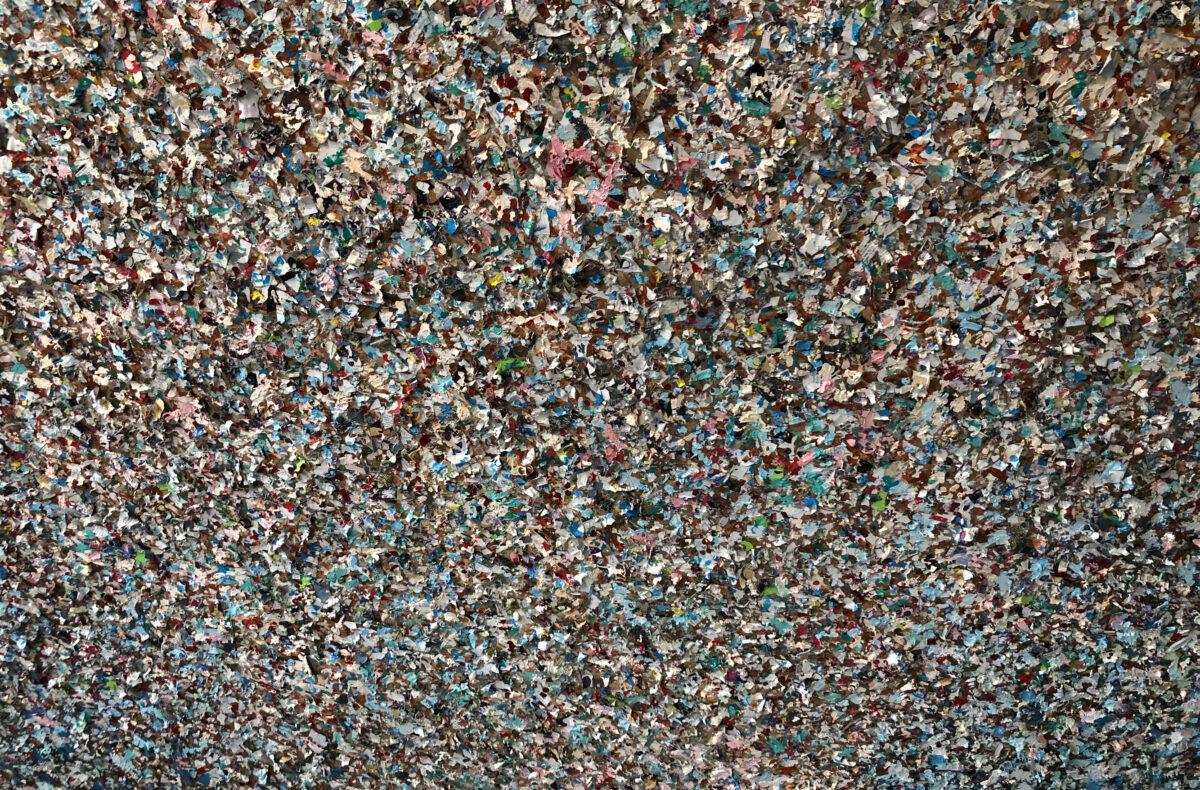
Alabaster plaster collages
Collages with large stones of color become photographs.
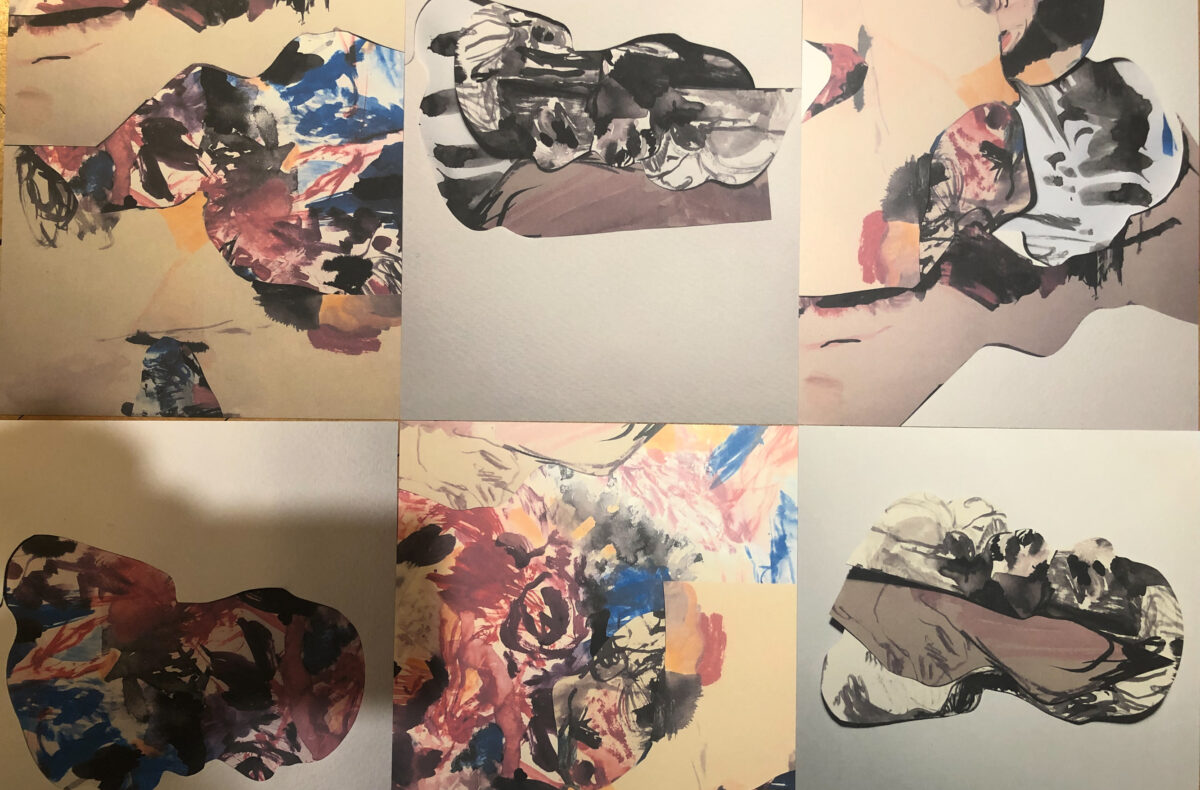
Watercolors – collages
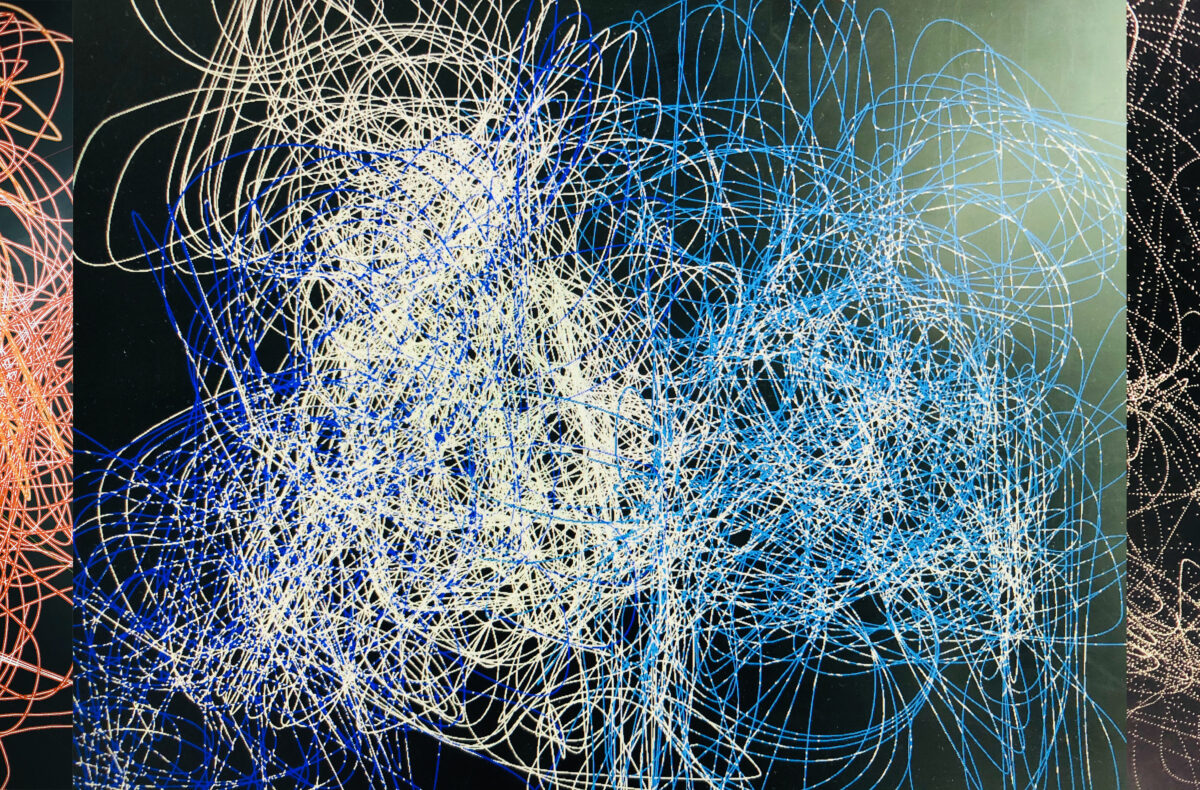
3D models of painting which are intended as abstract projections on the theme of an image in space.
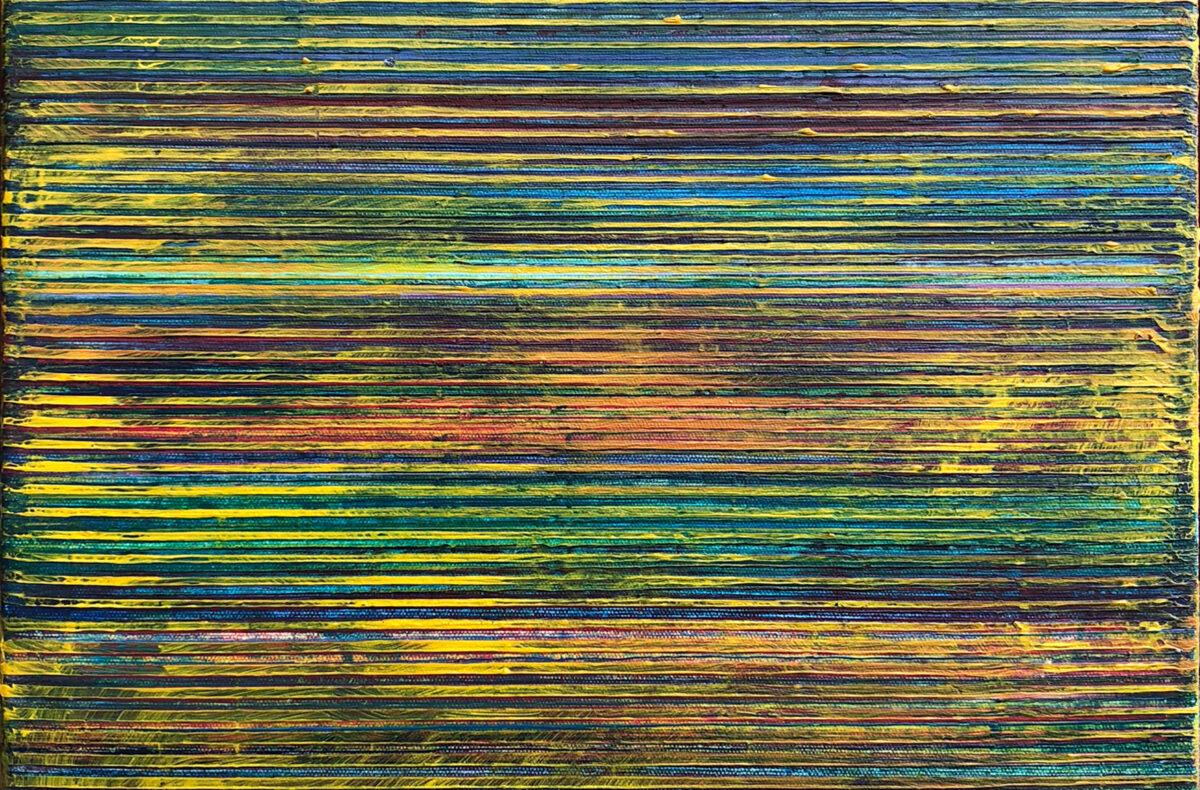
Reality breaks down into particles and creates an overall feeling. Afterimages.
There are impressions of a strong sun, which we keep long into the night. They are still happening even when our eyes are already closed.
Looking for a structure can be like looking for your own language to speak. Some moments.
It’s like asking where a painting has a bone. Where it has its skin. What it intends to do with us. To believe, that the image comes alive with the energy that is put into it, has its results.
First step towards “Afterimages” series.
Cuts are increasing. Memory is full of fragments that do not connect. The first step to the “Afterimages” series.
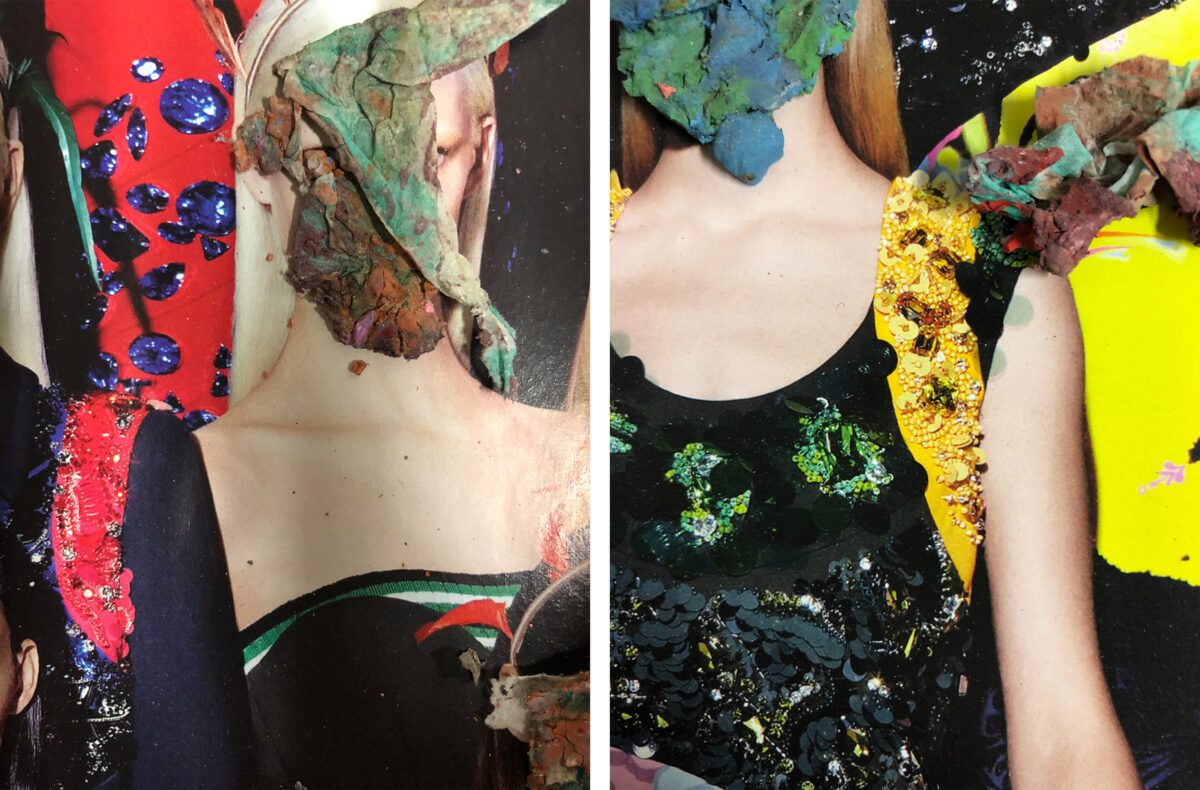
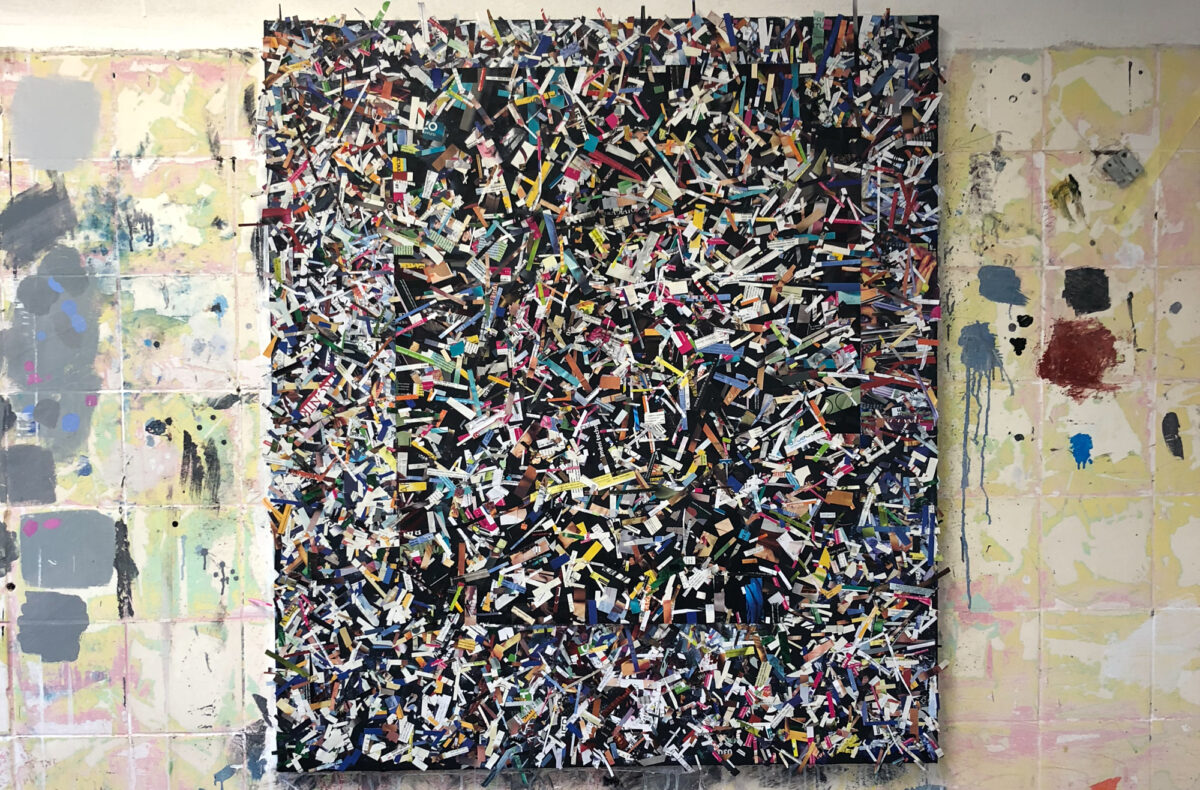
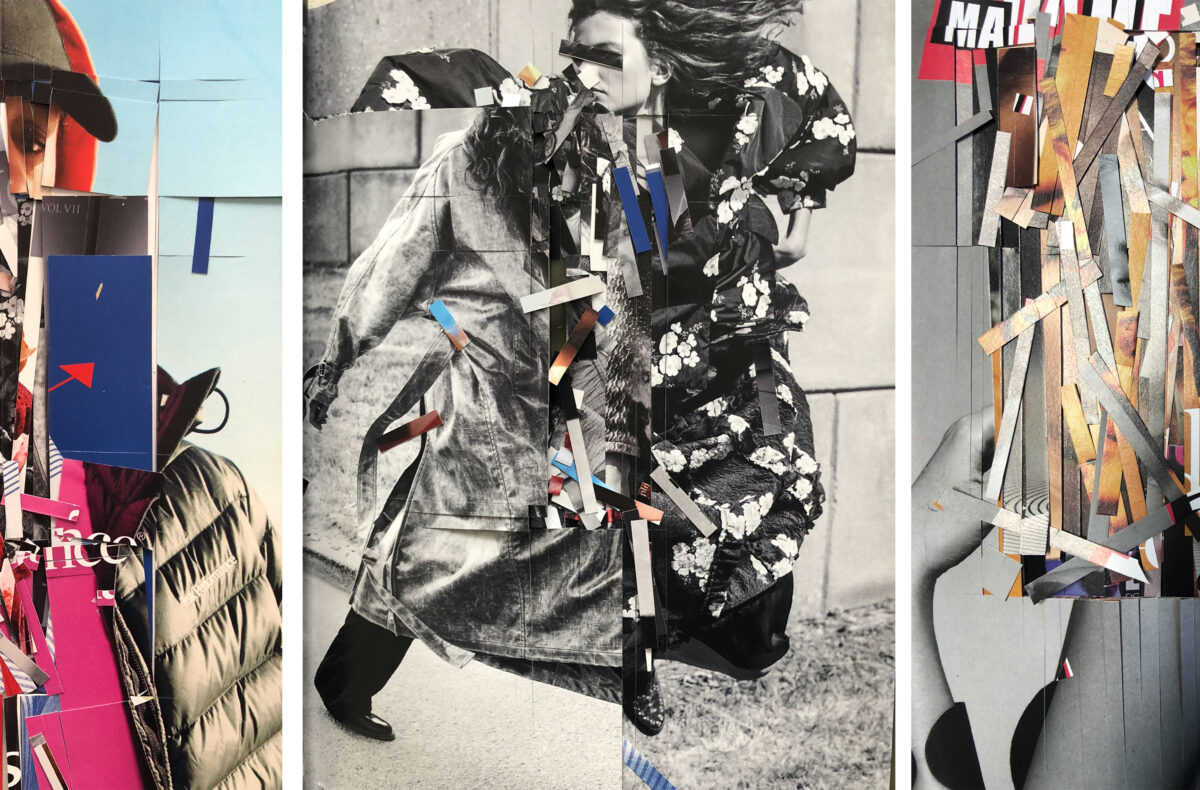
Instead of brushes, there are knives and scissors, and instead of paints, the pages of fashion magazines.
It is a moment of searching for a relationship to painting, to its meaning, the recycling of paintings and the over saturation of the environment that closely surrounds a person.
The theme of the painting that is hidden behind the painting is now made up of cuts. These are literal cuts and also die-cutting that projects images into the plans. Instead of brushes, there are knives and scissors, and instead of paints, the pages of fashion magazines. Several collages represent the mixing of worlds, pages, in environment and in time.
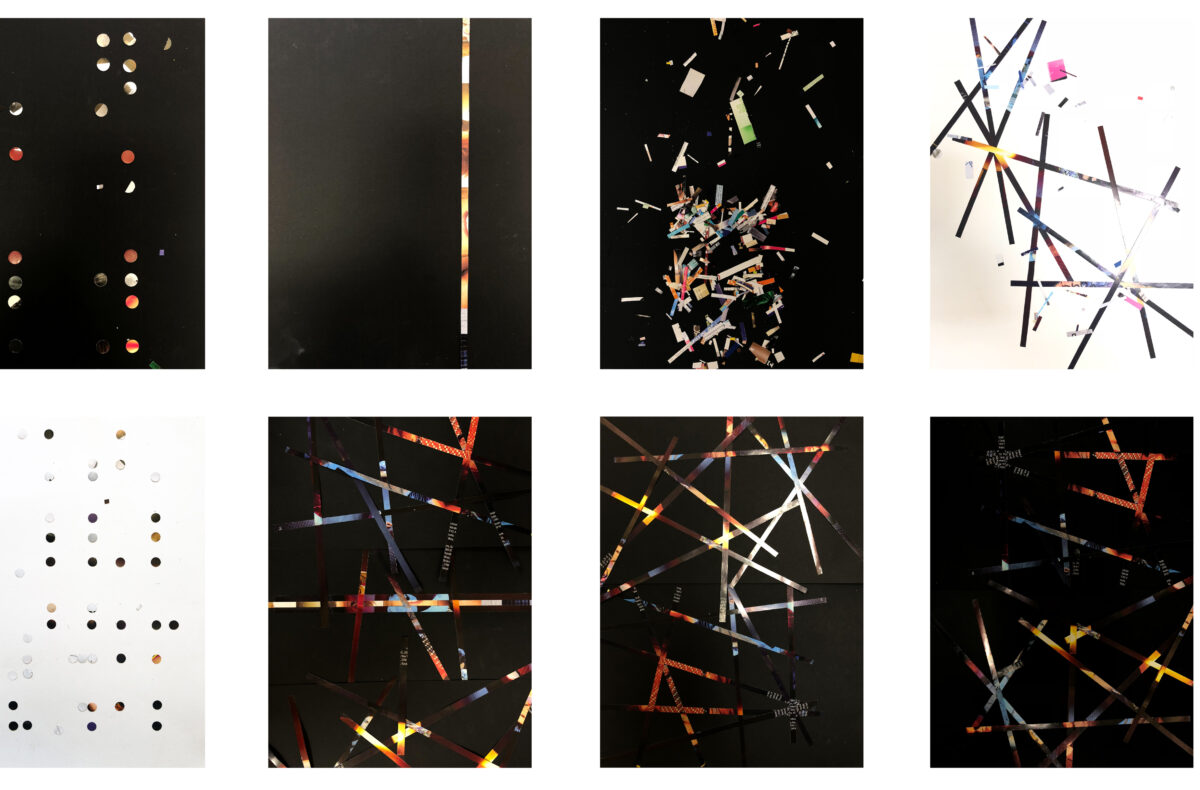
A return to a series of linear paintings from 2014 in the form of collages. The theme of the painting that is hidden behind the image follows the points and is now formed by cuts. These are literal cuts and also die-cutting that projects images into the plans. Instead of brushes, there are knives and scissors, and instead of paints, the pages of fashion magazines.
Short series preceding “The Points”.
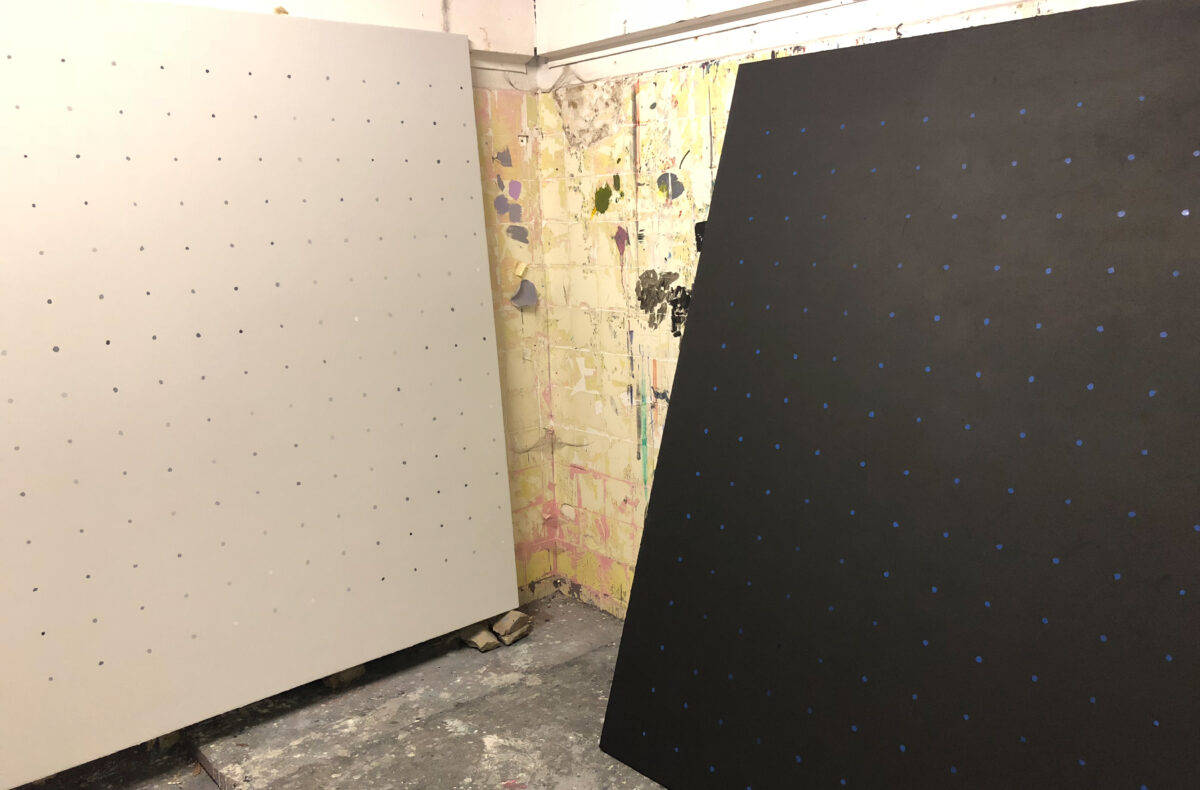
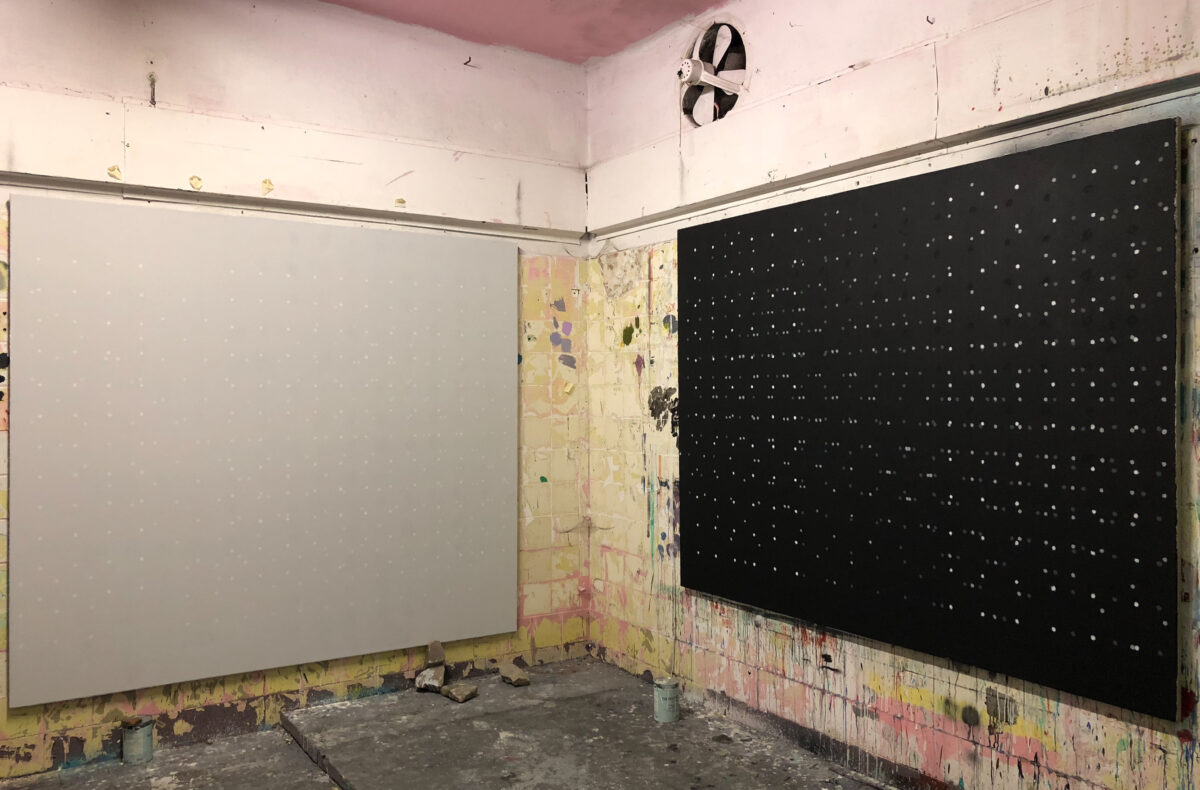
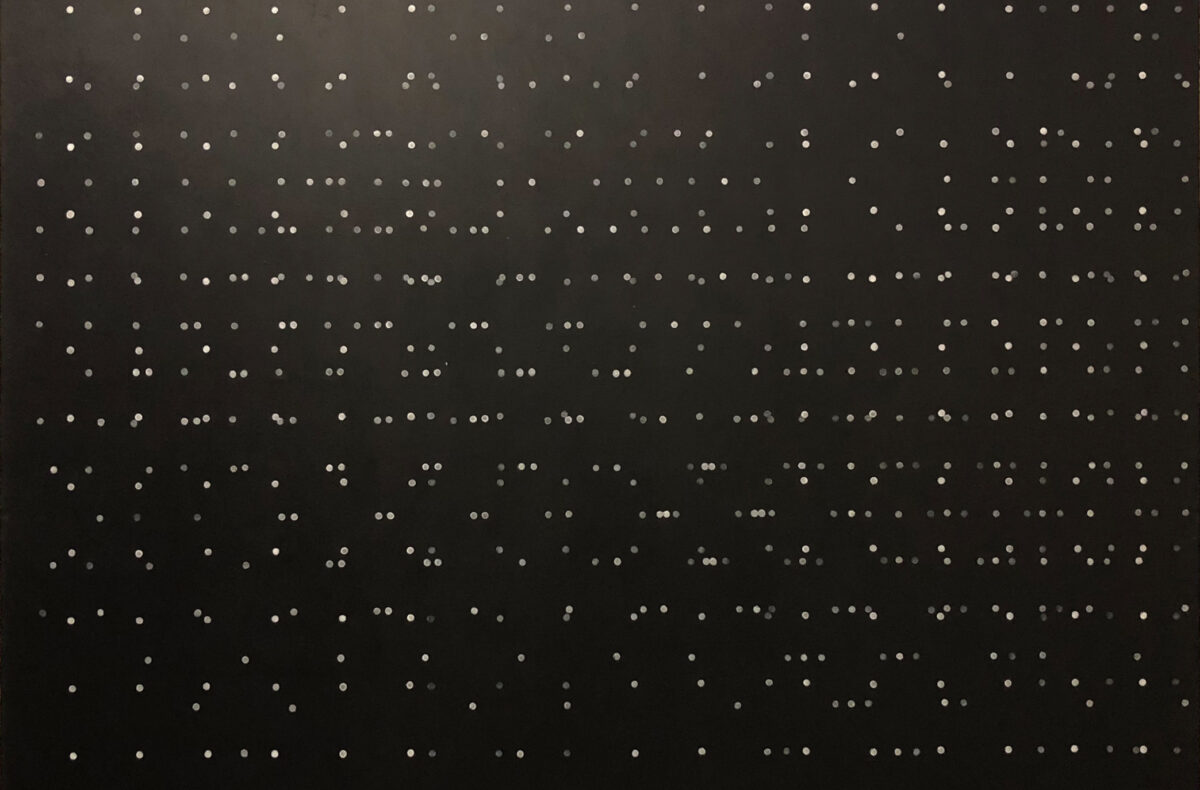
Here are the points expressing the distance from the surface of the canvas only. The points here form the image that is hidden behind the image.
Expression of distance by means of using points. Distances between each other, as well as from the surface of the canvas, which catches them like a fine sieve.
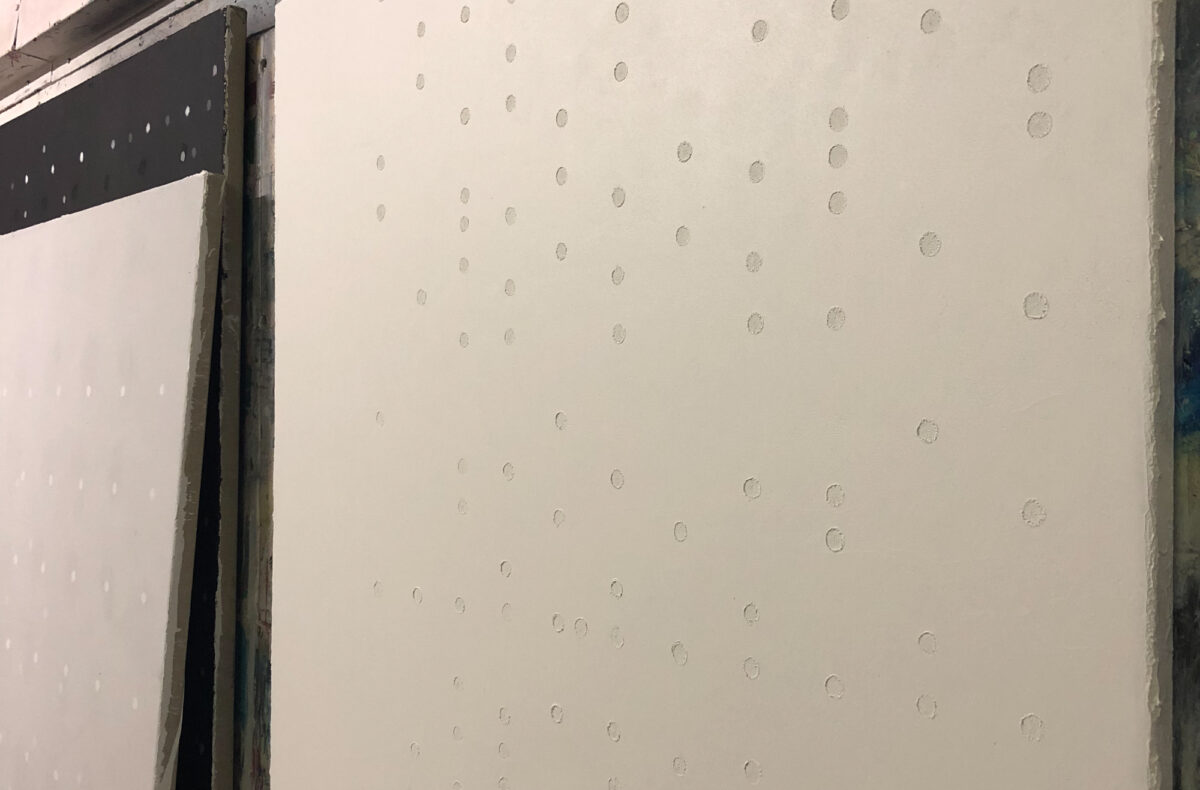
Another piece of this series is a large white painting. The points on it are made of wax, so they are darker at one angle of light and brighter at another – usually according to the position which the viewer occupies in relation to the canvas. The viewer thus becomes the physical creator of the image, only thanks to the light, position and point of view.
A small sample of photos, based on the idea of points (The Points). Originally, they were supposed to be a model for other paintings.
Expression of distance by means of using points. Distances between each other, as well as from the surface of the canvas, which catches them like a fine sieve.
Another piece of this series is a large white painting. The points on it are made of wax, so they are darker at one angle of light and brighter at another – usually according to the position which the viewer occupies in relation to the canvas. The viewer thus becomes the physical creator of the image, only thanks to the light, his position and a point of view.
Expression of distance by means of using points. Distances between each other, as well as from the surface of the canvas, which catches them like a fine sieve.
The goal was to create the image of space, distance and musicality of time. Time can be captured in this sieve as a pattern. Here is one of the first images of this series.
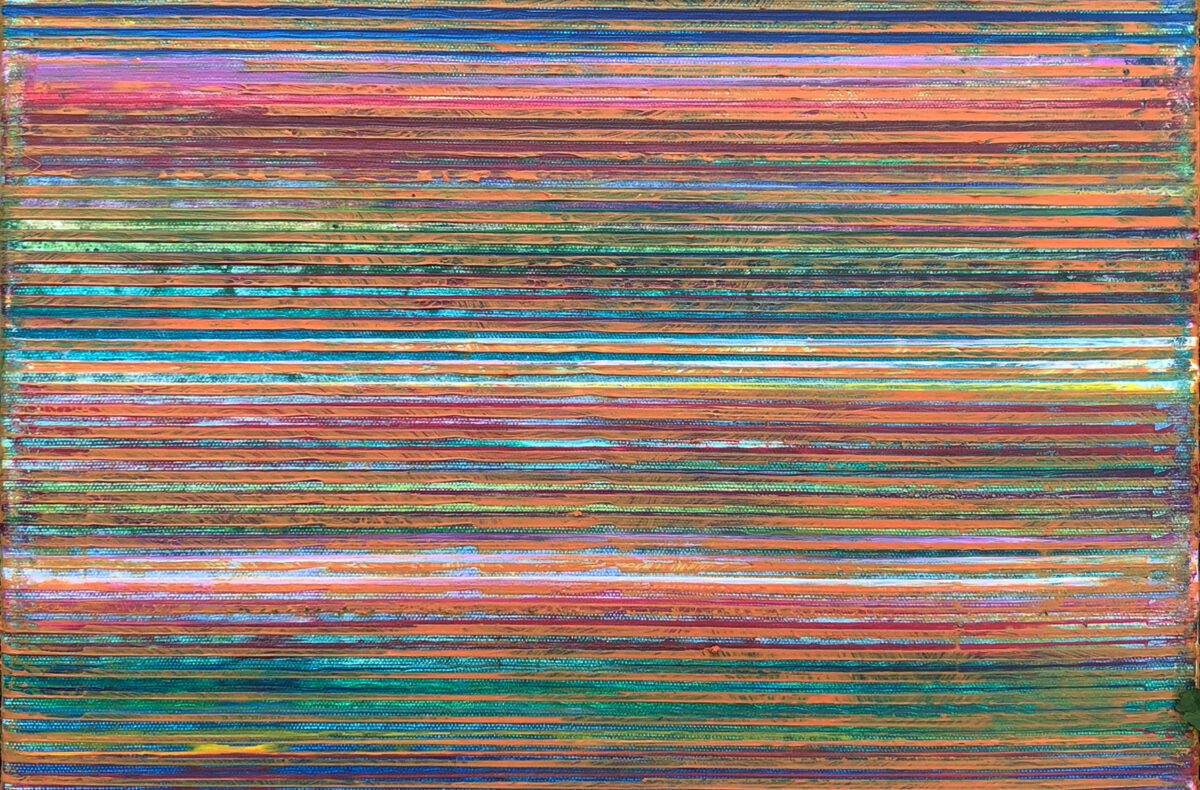
One of a few paintings, which were created after the exhibition in winter 2017. It follows a series of interference paintings. It also represents a clash of two plans –what’s happening in front of the painting and what behind it – a landscape overfilled with events.
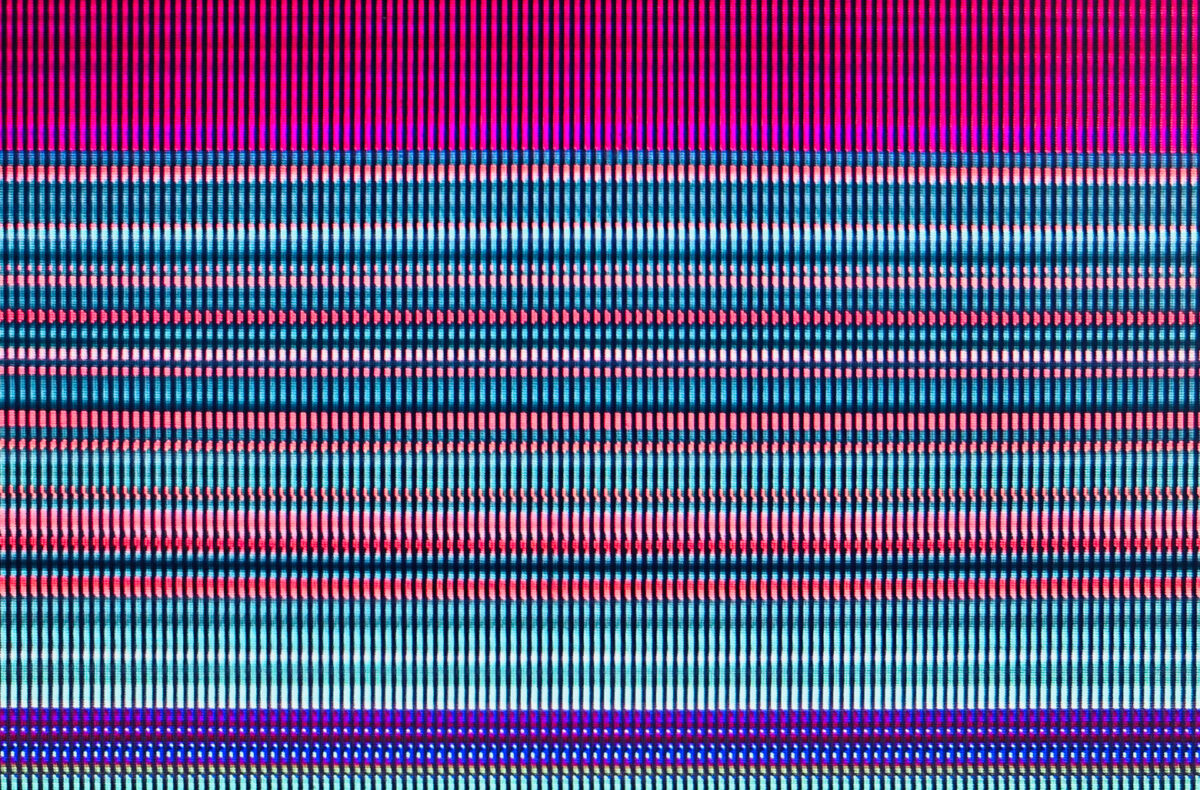
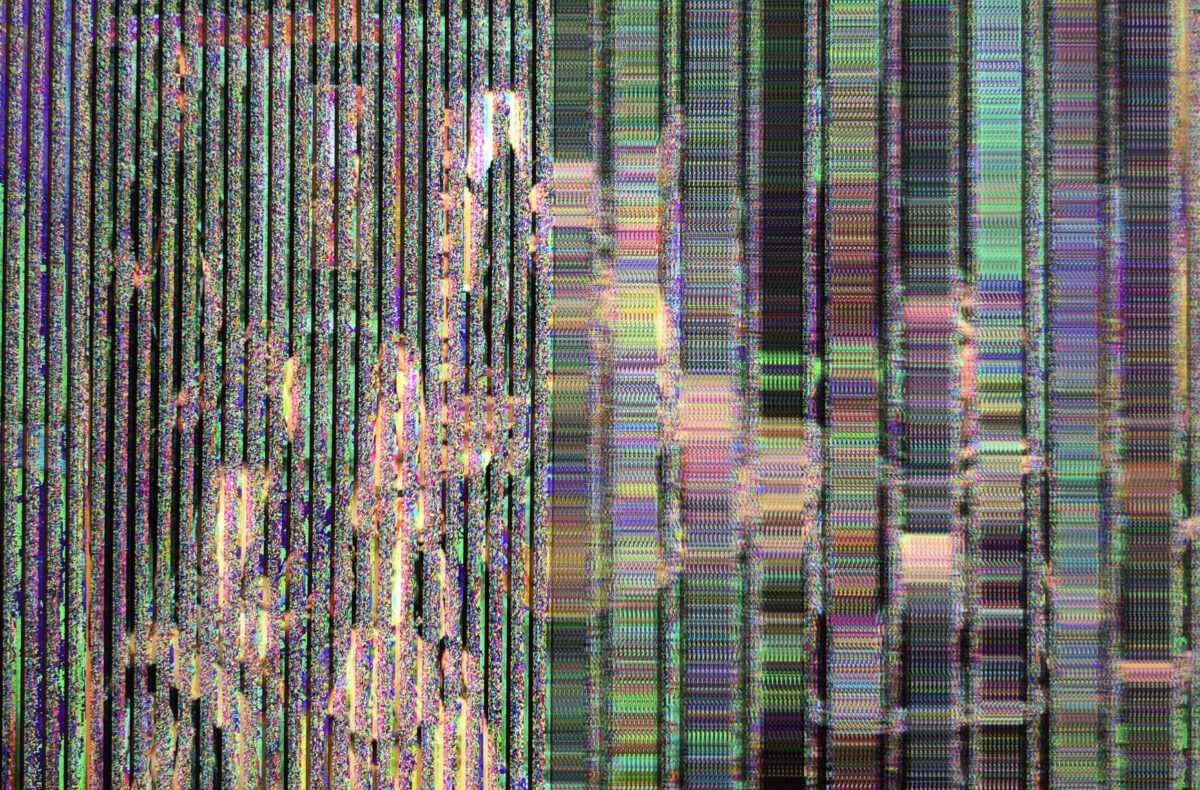
Digital errors and patterns which were created by a broken graphics card. Would it be possible to take a hammer instead of a brush, smash a computer and look at the most important works of human history?
Digital errors and patterns which were created by a broken graphics card. Would it be possible to take a hammer instead of a brush, smash a computer and look at the most important works of human history?
One of a few paintings, which were created after the exhibition in winter 2017. It follows a series of interference paintings. It also represents a clash of two plans –what’s happening in front of the painting and what behind it – a landscape overfilled with events.
Michal Neugarten / Gallery